


Apple’s Hardware Upgrade Shifts Reveal the Future of Apple Card
Recent updates to Apple's hardware financing and loan infrastructure offer a clear roadmap for how the tech giant will overhaul Apple Card after Goldman Sachs.
8 min read

TL;DR As Apple quietly rewires its hardware financing programs and prepares for life after Goldman Sachs, recent changes to its upgrade ecosystem provide a clear blueprint for a more open, hardware-connected, multi-lender Apple Card.
When Apple launched Apple Card in 2019, Wall Street treated it as a flashy entrant into consumer credit, while tech analysts viewed it as the ultimate loyalty hook. Designed in tandem with Goldman Sachs, the sleek titanium card promised zero fees, transparent tracking, and 3% Daily Cash back on purchases made directly within the Apple ecosystem. For half a decade, it served as a friction-free gateway for millions of consumers looking to finance iPhones, MacBooks, and Apple Watches at 0% interest.
However, the consumer financial landscape has shifted dramatically. Goldman Sachs is actively seeking an exit from its retail banking partnership with Apple, taking massive write-downs on its consumer credit business. Meanwhile, Apple spent the past year quietly dismantling and re-architecting its broader consumer finance engine.
The sunsetting of Apple Pay Later in favor of third-party loan integrations, subtle policy updates to Apple Card Monthly Installments (ACMI), and structural tweaks to the flagship iPhone Upgrade Program are not isolated adjustments. Viewed together, these moves offer the clearest picture yet of what Apple Card 2.0 will look like when Apple transitions to its next financial partner.
Decoding the Hardware Upgrade Signal
To understand where Apple Card is going, one must first look at how Apple currently handles hardware upgrades. For years, Cupertino operated two distinct pathways for customers wanting annual hardware refreshes: the legacy iPhone Upgrade Program (backed by Citizens One) and Apple Card Monthly Installments (backed by Goldman Sachs).
Having two separate systems for financing hardware created unnecessary friction. The iPhone Upgrade Program automatically bundled AppleCare+ and required a yearly trade-in trade-off, while ACMI allowed cardholders to split device costs over 12 or 24 months without automatically enforcing an annual trade-in or service contract.
Recent shifts in how Apple processes trade-ins and hardware upgrades reveal a push toward unification. Apple has begun tightly integrating trade-in valuation locks directly into the payment flow for hardware purchases, while subtly adjusting terms around zero-interest device financing.
When evaluating how apple manages its consumer product lifecycle, hardware distribution and financial services are no longer treated as separate operations. The finance product is becoming an active driver of hardware refresh cycles, rather than a passive line of credit.
 close up of iphone 15 pro max titanium bezel on desk with financial charts in background — Photo by Zana Latif on Pexels
By aligning trade-in valuation algorithms closely with device payment cycles, Apple is preparing a model where Apple Card is not merely a credit card that offers financing, but the primary engine for a “Hardware-as-a-Service” (HaaS) subscription model.
Why Goldman Sachs Wants Out—and What Apple Learned
The breakdown of the Apple-Goldman Sachs romance was one of the most high-profile divorces in modern fintech. Goldman Sachs, accustomed to institutional investment banking, struggled with the operational nuances and risk profiles of mass-market credit cards. Regulatory scrutiny from agencies like the Consumer Financial Protection Bureau over customer service complaints and disputed transaction processing further dampened Goldman’s appetite for consumer lending.
Goldman Sachs absorbed hundreds of millions of dollars in loan-loss provisions, driven in part by Apple’s insistence on broad approval rates to maximize consumer reach, alongside a deliberate lack of typical credit card fees (such as late fees or annual fees).
Goldman Sachs Consumer Division Losses (Estimated)
2020: ~$1.0 Billion 2021: ~$1.0 Billion 2022: ~$1.2 Billion 2023: ~$1.3 Billion (Driven heavily by credit loss reserves)
The lesson for Apple was immediate: relying on a single banking partner to hold billions of dollars in consumer credit exposure on its balance sheet creates a single point of failure. It limits international expansion, restricts credit availability for borderline applicants, and ties Apple’s product release schedules to the risk tolerance of a single financial institution.
According to reporting from Reuters, Apple began reassessing its single-issuer dependency in 2023, initiating conversations with potential suitors including JPMorgan Chase, Barclays, and Synchrony Financial. However, instead of simply swapping Goldman Sachs for Chase, Apple is fundamentally changing the architecture of its wallet services.
4 Core Evolutions Coming to the Next-Gen Apple Card
As Apple moves to establish a new banking partnership, recent changes across iOS 18 financial APIs and hardware financing flows outline four major evolutions expected for the next-generation Apple Card platform:
| Feature | Legacy Apple Card (Goldman Sachs Era) | Next-Gen Apple Card (Ecosystem Era) |
|---|---|---|
| Banking Architecture | Single balance sheet provider (Goldman Sachs) | Multi-lender backend / White-label engine |
| Hardware Financing | Separate ACMI & iPhone Upgrade Program | Unified “Hardware-as-a-Service” subscription |
| Global Footprint | United States only | Multi-region rollout (UK, EU, Japan planned) |
| BNPL Integration | In-house Apple Pay Later balance sheet | Open marketplace (Affirm, Monzo, Citi, HSBC) |
1. The Multi-Lender Network Backend
Rather than relying on a single bank to underwrite every customer, Apple is shifting toward an open financial infrastructure. Under this model, Apple retains total ownership of the front-end user experience within the Wallet app, while a syndicate of lenders underwrites loans behind the scenes based on applicant credit scores. This allows Apple to dramatically expand approval rates without forcing a single partner bank to take on excessive subprime exposure.
2. Deep Fusion with Hardware Subscriptions
The boundary between owning a phone and subscribing to Apple’s services is disappearing. The next iteration of Apple Card will likely allow users to opt into unified hardware-and-software tiers. Instead of separately buying an iPhone, paying for iCloud, and subscribing to Apple One, Apple Card will convert these transactions into a single monthly line item that automatically manages trade-in returns every 12 or 24 months.
3. Native Integration with Open Banking APIs
With iOS 18, Apple expanded its Wallet app integrations to display real-time balances and rewards points from external banks, starting with the UK’s Open Banking network and expanding to select US issuers like Discover. This infrastructure allows Apple Card to sit comfortably alongside rival financial products inside the Wallet app, acting as a aggregator that suggests the most cost-effective payment method for any given purchase.
4. International Expansion Outside the US
Because Goldman Sachs lacked retail banking operations outside the US, Apple Card remained trapped in the domestic market for five years. By pivoting to regional banking partners—or leveraging global networks like Visa and Mastercard alongside regional issuers—Apple can finally expand Apple Card to key markets like the UK, Germany, and Japan, where contactless digital payments are dominant.
From Single Credit Line to Enterprise Ecosystem Engine
Apple’s broader enterprise strategy relies heavily on ecosystem lock-in. By controlling the payment channel, Apple reduces merchant interchange costs, increases engagement across services like Apple Music and Apple TV+, and stabilizes hardware revenues during uncertain economic cycles.
For modern corporate IT departments and small businesses, managing hardware deployments is shifting rapidly toward subscription and lease models. The way Apple restructures consumer credit directly influences its commercial financing programs. How corporate enterprises manage device procurement, mobile device management (MDM), and corporate credit aligns closely with the evolution of broad biz it infrastructure trends.
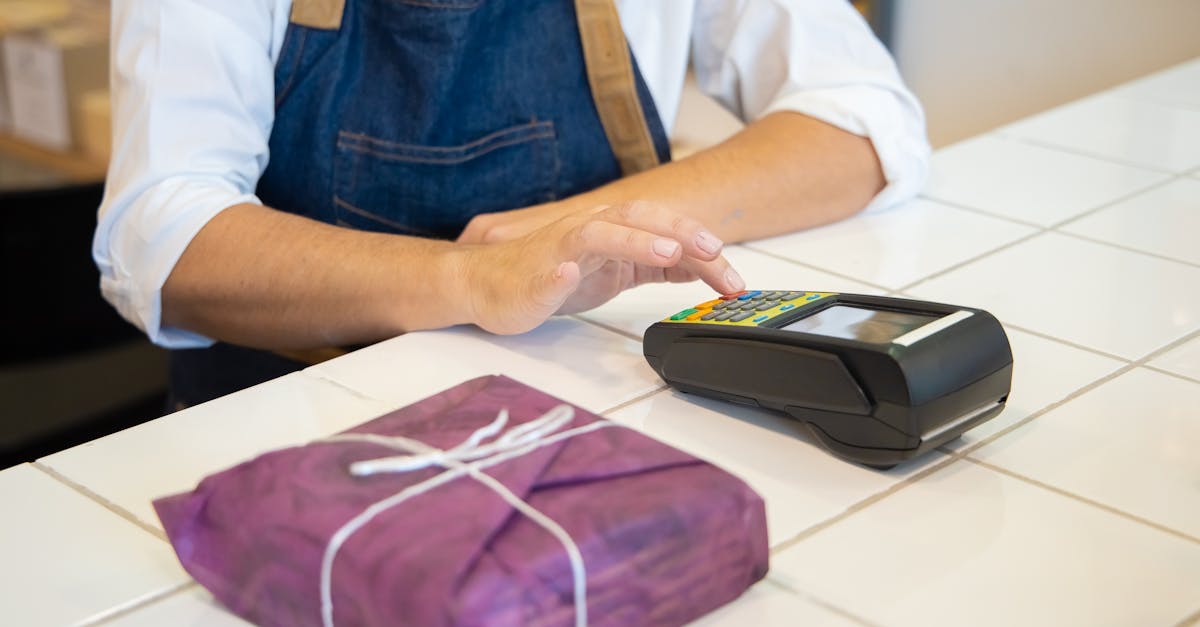 person paying with iphone using apple pay at a retail terminal in modern store — Photo by Kampus Production on Pexels
Apple’s decision to sunset its proprietary “Apple Pay Later” loan program in mid-2024 offers a major clue to this strategy. Instead of originating short-term installment loans directly, Apple opened the iOS payment sheet to third-party BNPL providers like Affirm, as well as installment plans from major card issuers. Official guidance in Apple Financial Services documentation confirms that iOS now prioritizes choice and platform neutral lending options over operating a proprietary lending operation.
Bystepping away from acting as a direct balance-sheet lender, Apple preserves its high profit margins while transferring credit default risk back to institutional financial partners.
What Current Cardholders Should Expect
For the tens of millions of current Apple Card users, the impending transition away from Goldman Sachs will not happen overnight. Transfers of massive credit card portfolios require significant regulatory review, account migration protocols, and system checks to prevent service disruptions.
However, cardholders can expect several practical changes over the coming 12 to 18 months:
- Portfolio Migration: Account balances, credit limits, and purchase histories will likely transfer seamlessly to the new primary issuer (with JPMorgan Chase considered by industry insiders as the leading contender).
- Expansion of Daily Cash Merchant Network: Expect Apple to announce new 3% Daily Cash retail partners, particularly in automotive, travel, and recurring subscription categories, to keep engagement high during the transition.
- Re-anchored Hardware Terms: Zero-percent installment terms for high-end hardware may become more tightly bound to active Apple service subscriptions or specific upgrade commitments.
The broader shift highlights how Apple views digital finance not as an isolated profit center, but as a crucial pillar supporting its long-term hardware and services ecosystem. By opening up its payment rails to broader banking partnerships while unifying hardware upgrade workflows, Apple is preparing to launch a far more flexible, scalable version of Apple Card built for the next decade of future tech personal computing.
The titanium card in your wallet was merely the prototype. The true financial product is the software wrapper quietly taking over the entire purchasing journey.
Last updated Aug 2, 2026
Newsroom
Reporting and analysis from the InnotechInsider editorial team, covering the technology shaping tomorrow.
Related stories

Seven Years In, the Apple Card Is Tech Genius and Banking Chaos
Apple Card revolutionized consumer fintech UX, but crushing loan losses and Goldman Sachs' exit show why big tech and consumer credit make dangerous bedfellows.

Inside macOS Tahoe 26.7: The Code Exposing Apple's Hardware Pipeline
Deep inside Apple's latest developer release lies a breadcrumb trail of unreleased chips, smart home robots, and hybrid displays. Here is what the code reveals.

Apple Maps Rolls Out Sponsored Search Ads to US and Canadian Brands
Apple has officially unlocked sponsored search placements in Apple Maps for US and Canadian businesses, transforming navigation into a major ad-revenue vector.