


Solar Gadgets & Camping: Friend or Foe to the Wilderness Experience?
Bringing solar-powered gadgets camping offers undeniable freedom and sustainability, but not without trade-offs. We dive deep into the real-world utility, hidden costs, and environmental considerations of integrating tech into your wild escape.

TL;DR Solar-powered gadgets offer compelling freedom and sustainability for campers, but their practicality is often limited by sun dependency, cost, weight, and the very philosophy of going off-grid. Strategic use, balancing utility with wilderness immersion, is key.
The crackle of a campfire, the scent of pine, and the vast, silent expanse of a starlit sky – these are the quintessential elements of a camping trip, a sanctuary from our always-on digital lives. Yet, as technology pervades every corner of our existence, the lure of bringing our digital comforts, and the means to power them, into the wild grows stronger. Enter solar-powered gadgets: miniature photovoltaic marvels promising to keep our phones charged, our headlamps bright, and our GPS functional, all while miles from the nearest outlet.
It sounds like the perfect synergy: harnessing nature’s most abundant energy source to fuel our modern tools, preserving the wilderness experience without fully disconnecting. But is it? As a senior tech journalist, I’ve seen countless innovations promise seamless integration, only to fall short in the harsh light of reality. Camping with solar tech is a nuanced proposition, a delicate balance between utility and purity, convenience and commitment. This isn’t just about whether your phone charges; it’s about what that charging means for your experience, your pack, and the very ethos of escaping into nature.
Let’s unpack the bright side and the inevitable shadows of bringing the sun’s silent power to your next outdoor adventure.
The Bright Side: Unplugging the Grid (Literally)
The primary allure of solar-powered camping gadgets is simple: self-sufficiency. In an increasingly interconnected world, the ability to generate your own power, miles from the nearest grid, feels almost revolutionary. This freedom extends beyond mere convenience; it enhances safety, extends trips, and aligns with a growing desire for sustainable living.
Endless Energy, Anywhere, Anytime (Almost)
Imagine a multi-day backcountry trek where your GPS watch never dies, your emergency satellite messenger remains ready, and your camera’s battery is consistently topped up to capture that perfect sunrise. Solar panels, ranging from small, foldable units integrated into backpacks to more robust, standalone arrays, make this possible. They convert sunlight directly into electricity, which can then charge a power bank, or directly power small devices. This means no more rationing battery life, no more carrying weighty spare batteries, and no more searching for elusive charging stations in remote locales.
For critical devices like satellite phones, personal locator beacons (PLBs), or even medical equipment (like CPAP machines with appropriate power banks), solar charging transforms the wilderness from a potential danger zone into an accessible retreat. It’s not just about luxury; it’s about preparedness and peace of mind.
Sustainability and Silence
One of solar power’s most compelling arguments is its environmental footprint. Unlike noisy, fuel-guzzling generators, solar panels operate in absolute silence and produce zero emissions during operation. This aligns perfectly with the “Leave No Trace” principles many outdoor enthusiasts adhere to, minimizing human impact on pristine environments. By reducing reliance on disposable batteries or fossil fuels for power, campers can genuinely lighten their environmental impact, transforming their outing into a more eco-conscious experience.
The psychological benefit of this silence is also profound. Part of the appeal of camping is escaping the constant hum of civilization. A silent solar panel, quietly converting photons into electrons, complements this quest for tranquility rather than disrupting it. It’s a technology that works with nature, not against it.
The Evolution of Gear: Lighter, Smarter, Tougher
Modern solar gear is a far cry from the clunky, fragile panels of a decade ago. We’re seeing rapid advancements in future tech materials and efficiency. Flexible monocrystalline panels are now highly efficient, durable, and surprisingly lightweight. Power banks capable of storing significant energy have become smaller, more rugged, and feature multiple output ports, often supporting USB-C Power Delivery for faster charging. (Wikipedia: Photovoltaic system provides a good overview of how these systems work and their increasing efficiency).
Companies in the startups space are constantly innovating, integrating solar cells directly into backpacks, tents, and even portable speakers. This makes the technology less of an add-on and more of an integrated, seamless part of your gear, reducing the burden of carrying separate components.
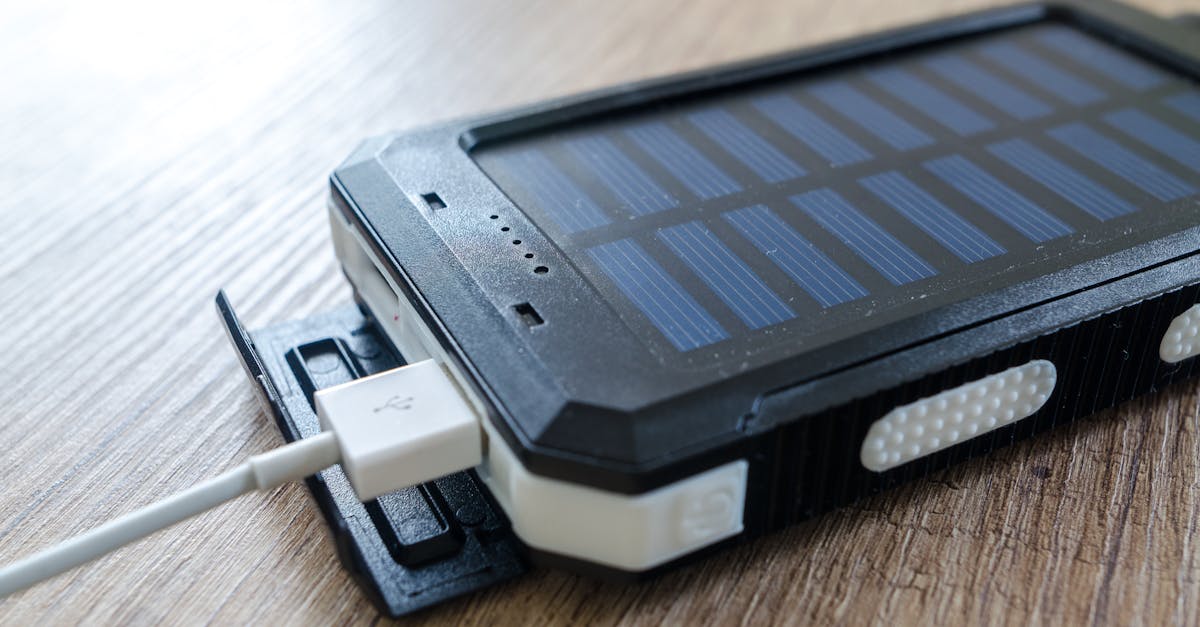 portable solar panel charging smartphone in a scenic campsite — Photo by Lukas Blazek on Pexels
The Shadow Side: Where the Sun Doesn’t Always Shine
Despite the undeniable advantages, camping with solar-powered gadgets is far from a universally ideal solution. The very nature of solar power introduces inherent limitations, and the practicalities of outdoor life can quickly expose the Achilles’ heel of even the most advanced tech.
The Sun’s Whims: A Fickle Friend
Solar panels, by definition, require sunlight. This might seem obvious, but its implications for camping are profound. Overcast days, dense tree cover, rain, or even the shorter daylight hours of shoulder seasons can drastically reduce or eliminate charging capabilities. A cloudy day can slash efficiency by 50-80%, rendering a small panel nearly useless for anything beyond a trickle charge. If you’re planning a trip to a heavily forested area or during a notoriously rainy season, relying solely on solar is a recipe for dead batteries and frustration.
Furthermore, optimal solar charging requires orienting the panel directly towards the sun, a task that can be tedious and impractical in many camping scenarios. Constantly adjusting a panel attached to your backpack or laid out at your campsite interrupts the flow of your activity and detracts from the immersive experience.
Weight, Bulk, and the Backpacking Burden
While solar tech is getting lighter, it’s rarely light enough to be negligible, especially for ultralight backpackers. A decent quality foldable solar panel (15-20W) combined with a substantial power bank (20,000mAh+) can easily add 2-3 pounds (1-1.5 kg) or more to your pack. For those counting every ounce, this can be a significant trade-off. Is a fully charged phone worth the extra fatigue on a multi-day hike?
The bulk, too, can be an issue. Panels need to be unfolded and exposed, and power banks, while compact, still occupy valuable space. In smaller tents or packed backpacks, managing these additional items and their associated cables can become a minor logistical challenge, detracting from the simplicity that many seek in the outdoors.
Cost and Practicality: An Investment for Limited Returns?
Quality solar charging setups are not cheap. A reliable solar panel and a high-capacity, durable power bank can easily run into hundreds of dollars. For casual campers who might only go out a few times a year, or those staying in campgrounds with electrical hookups, this investment might not justify the limited use cases. A few spare pre-charged power banks might be a more cost-effective and equally reliable solution for shorter trips.
Moreover, while solar can power small electronics, it’s generally impractical for high-draw appliances like portable refrigerators, electric kettles, or anything requiring significant sustained wattage. For these, larger, more expensive portable power stations (often still needing to be charged via wall outlet initially) are required, pushing the boundaries of “camping gadget” into “portable home appliance.” The National Oceanic and Atmospheric Administration (NOAA) offers valuable insights into Solar Radiation Basics, highlighting the variability of solar energy that impacts real-world charging efficiency.
Navigating the Nuances: Is it for You?
The decision to integrate solar power into your camping kit isn’t black and white; it hinges on several factors unique to your style of adventure.
Trip Duration and Destination
For a single overnight trip, a fully charged power bank is almost always sufficient. Solar becomes more compelling for multi-day excursions beyond the reach of conventional power, especially if you’re venturing into open, sunny terrain. Deserts, alpine zones, or coastal areas are far more conducive to solar charging than dense forests or areas prone to persistent cloud cover.
Device Dependency
Are you a casual user who just needs a phone for emergencies and photos, or an avid content creator who needs to keep multiple cameras, drones, and laptops powered? The more devices you have, and the more critical their continuous operation, the stronger the case for solar. However, it also means investing in larger, heavier, and more expensive systems. A key consideration is also why you’re bringing these devices. Is it to enhance the outdoor experience, or to pull you away from it?
Budget and Mindset
The initial outlay for good solar gear can be substantial. For some, the peace of mind and the sustainable aspect are worth the investment. For others, it’s an unnecessary expense for an occasional hobby. More philosophically, some campers embrace the wilderness as a complete digital detox, viewing any tech, solar or otherwise, as antithetical to the experience. The Leave No Trace Center for Outdoor Ethics emphasizes planning and preparing, which for some, includes minimal tech to truly immerse themselves.
Beyond the Gadget: The Philosophy of Outdoor Tech
Ultimately, the debate around solar-powered camping gadgets isn’t just about watts and amp-hours; it’s about our relationship with technology and nature. Are we bringing our digital lives into the wilderness to enhance our experience, or to avoid fully engaging with it?
There’s no single right answer. For some, having a charged phone for emergencies, a GPS to navigate, or a camera to document the beauty enhances safety and allows them to share their adventures responsibly. For others, the very act of disconnecting, of being unreachable and reliant only on what they can carry, is the essence of going into the wild.
Solar technology offers a bridge between these two worlds, a way to maintain essential connectivity or convenience with a lighter environmental touch. It allows us to be prepared without being perpetually plugged in, to capture moments without being consumed by screens. The real challenge isn’t the technology itself, but how we choose to wield it.
Conclusion: The Smart Camper’s Choice
Solar-powered gadgets represent a significant leap forward for outdoor enthusiasts, offering unparalleled freedom, sustainable power, and enhanced safety in remote environments. They are lighter, more efficient, and more rugged than ever before, promising a future where off-grid power is truly accessible to all.
However, this promise comes with caveats. The variability of solar energy, the added weight and cost, and the philosophical question of technological integration into nature demand careful consideration. For the smart, busy reader, the takeaway is clear: solar tech for camping isn’t a universal panacea, but a powerful tool best deployed with intention and foresight. Assess your specific needs, the nature of your trip, and your personal philosophy before you pack those panels. When used judiciously, solar can indeed be a friend to the wilderness experience, empowering you to explore further, safer, and more sustainably. But always remember, the most vital connection you make in the wild isn’t with a gadget, but with nature itself.
Last updated Jun 8, 2026
James Whitfield
Space & Science Correspondent
James Whitfield has covered spaceflight, physics, and emerging science for eleven years, reporting on launches from three continents and briefing readers on peer-reviewed research as it breaks. He holds a background in aerospace engineering and has toured launch and mission-control facilities firsthand.
Related stories

Atlas Swaps Its Own Battery: The End of Humanoid Downtime
Boston Dynamics' electric Atlas can now swap its own battery in under three minutes. The self-servicing routine unlocks true 24/7 factory automation.

Atmospheric Water Tech Arrives as Mediterranean Wells Run Dry
Mediterranean aquifers are failing fast. Next-gen atmospheric water tech promises to extract drinking water from air, but can the energy math balance out?

Android 17 QPR1 Beta 8 Arrives: Is Google’s Perpetual Beta Broken?
Google drops Android 17 QPR1 Beta 8, fixing fringe Bluetooth bugs while highlighting the absurdities of Silicon Valley's endless software update churn.