


Why 25 Years of Multi-Console Gaming Ended With an Xbox Default
Oct 26, 2026, 8:56 AM UTC
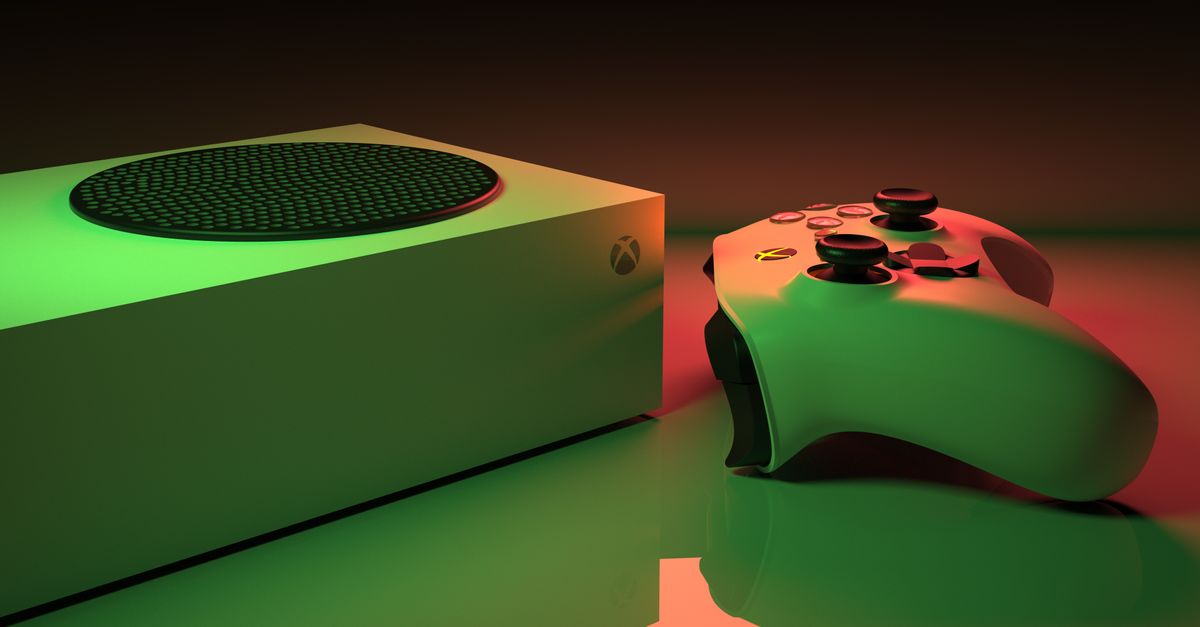
Photo by Ilias Gainutdinov on Unsplash
7 min read
TL;DR Twenty-five years after Microsoft entered the console market, the exhaustion of maintaining competing hardware ecosystems has made platform-agnostic continuity the deciding factor for veteran players.
In three weeks, Microsoft will mark the twenty-fifth anniversary of the original Xbox, which hit North American store shelves on November 15, 2001. That machine was a cinder block of consumer electronics, powered by an off-the-shelf Intel Pentium III processor and anchored by a laughably oversized controller affectionately dubbed the “Duke.”
Back then, surviving as an enthusiast demanded strict hardware agnosticism—or a very generous budget. If you wanted Halo: Combat Evolved, you bought Microsoft’s heavy black plastic. If you wanted Grand Theft Auto: Vice City or Metal Gear Solid 2, you turned on a PlayStation 2. If you wanted Super Smash Bros. Melee, you kept a Nintendo GameCube tucked beside them on the carpet. For over two decades, juggling three distinct boxes, three proprietary memory systems, and three sprawling tangle of cables under the television was simply the baseline tax of loving video games.
Yet midway through 2026, my entertainment console looks radically stripped down. The multi-box setup is gone. Despite owning nearly every major platform released since the fifth generation, my daily habits have consolidated around an Xbox-first workflow. That outcome was neither expected nor driven by brand devotion; it was the slow, logical result of an industry shifting away from hardware barriers toward digital preservation.
 microsoft xbox series x console on modern entertainment center — Photo by Imthiyaz Syed on Pexels
The Expensive Illusion of Hardware Loyalty
For the better part of two decades, console manufacturers treated digital purchases as disposable novelties tied to a specific five-year hardware cycle. When players moved from the PlayStation 3 to the PlayStation 4 in late 2013, their digital PSN libraries stayed behind, stranded on legacy silicon. Nintendo’s Virtual Console forced consumers to rebuy NES and SNES classics across the Wii, the Wii U, and the 3DS before wiping the slate clean again for the Switch era.
The friction was tolerable when generations represented massive, unmistakable jumps in technical architecture. Moving from sprites to polygons, or standard definition to 1080p, felt worth the total reset of one’s game shelf. But by the mid-2010s, home consoles were fundamentally x86-based personal computers wrapped in bespoke plastic shells. Forcing players to abandon purchased software simply because the plastic case had changed color stopped making technical sense.
Microsoft recognized this vulnerability first, largely because it had no other choice. Crushed in hardware sales during the early years of the Xbox One, the company’s internal teams executed a deliberate engineering pivot. Under the leadership of engineers documented in the Xbox backward compatibility program, they built a bespoke virtualization layer that brought four generations of software onto modern hardware without demanding repurchase fees or subscription gates.
The long-term impact of that decision became obvious during the transition into the current generation. While rival platforms treated backwards compatibility as an auxiliary patch feature, Xbox treated it as a foundational platform architecture. Titles purchased digitally in 2006 on an Xbox 360 booted up on modern hardware with automated frame-rate boosts and system-level HDR injection. A library stopped being a fleeting license for a single machine and turned into an enduring software portfolio.
The Friction Breakdown: 2001 vs. 2026
The mechanics of how players access interactive software have altered more in the past decade than in the previous three combined. Where gaming once forced discrete hardware silos, modern platforms survive based on how easily they travel across displays.
| Metric | The 2001 Paradigm (Original Xbox Era) | The 2026 Paradigm (Modern Connected Ecosystem) |
|---|---|---|
| Primary Platform Lock | Dedicated proprietary ASIC / physical disc | Cloud profile / federated entitlement token |
| Backwards Compatibility | Zero (complete generation resets) | Native emulation across four generations |
| Save File Portability | Physical 8MB memory cards | Seamless cloud sync across console, PC, and handhelds |
| Multiplayer Access | Split-screen or local Ethernet LAN | Cross-platform servers across all operating systems |
| Day-One Retail Model | $50 physical cartridge/disc per title | Tiered subscriptions or hybrid à la carte digital access |
As the table shows, the friction points that once defined the hobby have dissolved into background infrastructure. Modern gaming enthusiasts no longer measure value solely by peak polygon throughput; they measure it by how little time an ecosystem wastes between hitting a power button and actually playing.
The Handheld Explosion and Seamless State
The inflection point arrived with the proliferation of high-performance portable gaming PCs over the past three years. Devices like the Steam Deck, the ROG Ally line, and modern silicon handhelds made it clear that gaming could no longer be tethered exclusively to a six-foot radius in front of an entertainment unit.
This shift exposed the structural limitations of closed, proprietary console operating systems. Moving an ongoing campaign in a massive role-playing game from a living room TV to an airport terminal used to require either streaming over spotty airport Wi-Fi or purchasing two distinct copies of the game and hoping the publisher provided an external, account-linked cross-save server.

Because Microsoft unified its PC and console developer toolsets, cross-play and cross-progression became the platform standard under the Xbox Play Anywhere banner. Starting a session of an expansive open-world title on an Xbox console in the living room, picking up the identical cloud save file on a handheld running Windows on a commuter train, and finishing a dungeon via low-latency cellular connections on 5g networks stopped being an experimental demo. It became standard everyday behavior.
Sony has produced remarkable single-player hardware experiences with the PlayStation 5 and its incremental hardware updates. Yet moving beyond the television screen in that ecosystem still largely relies on dedicated streaming accessories that demand a continuously powered home base station and pristine local network conditions. One approach treats mobile hardware as an external mirror; the other treats it as an independent node running identical software.
Where Bespoke Hardware Still Matters
Adopting an ecosystem-first mindset does not mean ignoring the unique virtues of Microsoft’s competitors. The modern industry has bifurcated into two distinct product philosophies, and each serves an entirely valid consumer need.
Nintendo remains a category of its own. Its hardware has never competed on brute-force compute or raw memory bandwidth; it succeeds because its first-party creative studios build software tailored to physical form factors that mass-market families intuitively understand. You do not buy a Nintendo system for backward-compatible cloud saves across an enterprise server farm; you buy it because nobody else makes a mainline Mario or Zelda.
Similarly, Sony continues to hold an edge in delivering focused, single-player cinematic adventures. Studios like Naughty Dog and Santa Monica Studio extract cinematic visual density from dedicated hardware that generalized PC architectures rarely match at launch. As detailed in historical Federal Trade Commission filings regarding major platform acquisitions, Sony’s internal strategy relies heavily on funding exclusive, production-heavy flagship releases designed to sell dedicated home consoles.
If a player’s primary motivation is experiencing three or four visually stunning single-player narratives a year, a dedicated PlayStation remains an exceptional machine. But for players whose gaming habits resemble everyday software usage—hopping across multiple devices, dipping into varied backlogs, and jumping between PC and living-room screens—the balance has tilted decisively toward platform flexibility.
The Practical Victory of Convenience
Twenty-five years ago, picking a gaming platform felt like joining a faction. You picked a tribe, defended its proprietary audio chips on forum boards, and accepted that buying into one ecosystem meant permanently missing out on everything happening across the aisle.
In late 2026, brand loyalty looks like an unnecessary consumer burden. The games industry is increasingly defined by federated software, ubiquitous cloud profiles, and cross-platform multiplayer pools where players on half a dozen hardware configurations play the same round together without knowing or caring what machine sits under their friend’s desk.
The reason my setup collapsed into an Xbox-first configuration has little to do with the physical Series hardware sitting inside the media cabinet. In fact, on any given week, that box might stay asleep while its library runs on a lightweight laptop, an enterprise monitor, or a handheld display. The platform won out simply because it was the only one willing to stop acting like a box. In an industry that spent decades demanding players rebuild their digital lives from scratch every five years, the most compelling feature turned out to be letting them keep what they already had.
Sources
Last updated Oct 26, 2026
Newsroom
Reporting and analysis from the InnotechInsider editorial team, covering the technology shaping tomorrow.
Related stories
 Gaming Oct 19, 2026
Congress Introduces Landmark Bill to End the Illusion of Game Ownership
A new bipartisan bill in Congress wants to force digital storefronts to grant real ownership rights—or admit you're merely renting your library indefinitely.
 Gaming Sep 18, 2026
Xbox Solves Disc-to-Digital: Inside the 15-Year Migration Plan
Microsoft has launched its disc-to-digital program for Xbox consoles, letting players convert legacy physical games into permanent, cloud-ready digital licenses.
 Gaming Sep 15, 2026
NHL 27 Review: Connected Franchise Returns to Save EA Hockey
NHL 27 finally revives Online Connected Franchise alongside revamped tactical playbooks and immersive arena audio. Here is how EA's latest sim holds up.