


CoreWeave Eyes $4B Investment-Grade Debt in Big Shift for AI Finance
Nov 11, 2026, 8:21 PM UTC
Photo by Winston Chen on Unsplash
4 min read
TL;DR Specialized AI cloud provider CoreWeave is preparing to raise upwards of $4 billion through an investment-grade loan facility yielding 7% to 7.5%, effectively halving its cost of capital compared to prior speculative debt rounds.
CoreWeave is about to cross the Rubicon of corporate credit. The specialized cloud provider, which built a multi-billion-dollar business buying up Nvidia accelerators and renting them to generative model developers, is preparing to close a syndicated loan facility topping $4 billion as early as next week.
According to credit market syndication terms circulated to institutional lenders, the new debt is expected to carry an investment-grade rating and yield between 7% and 7.5%. For an outfit that was paying north of 14% to 15% on asset-backed junk paper and private credit notes just two years ago, the debt package represents a dramatic discount on its capital requirements.
The Roseland, New Jersey-based company is no longer treating its buildout as a venture-style sprint. By migrating into the highest tiers of the institutional debt markets, CoreWeave is signaling that Wall Street now views GPU cluster capacity less like high-risk venture equity and more like contracted utility infrastructure.
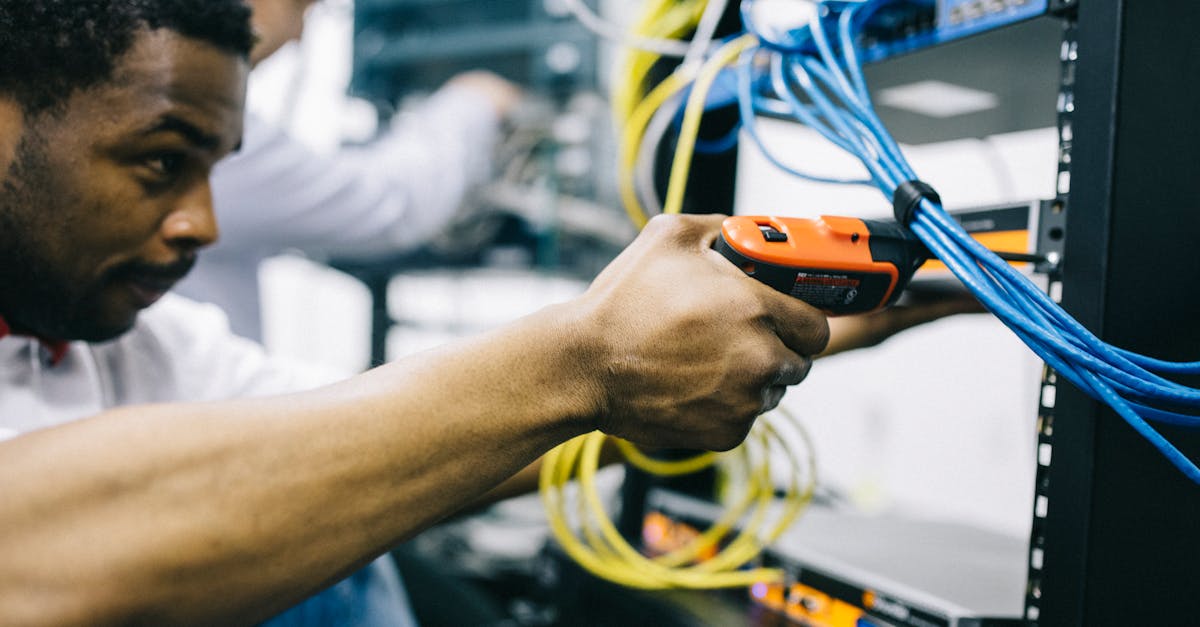 technician inspecting liquid cooling rack in modern AI data center — Photo by Field Engineer on Pexels
From High-Yield Scramble to Blue-Chip Credit
CoreWeave’s rapid expansion was originally financed through expensive, bespoke machinery. In 2023 and 2024, the company pioneered asset-backed loans using its own Nvidia H100 and Blackwell clusters as direct collateral—securing deals backed by Blackstone, Magnetar Capital, and Coatue at hefty, floating junk-bond premiums.
The rationale behind the sudden yield drop on this latest $4 billion facility lies in counterparty credit quality. Debt syndicates are looking straight through CoreWeave’s balance sheet to the balance sheets of its customers. Multi-year, take-or-pay compute commitments from tech giants like Microsoft, coupled with long-horizon contracts from well-funded ai foundation labs, have transformed what was once viewed as speculative hardware hoarding into predictable cash flows akin to toll roads or power plants.
| Financing Round / Facility | Timeframe | Estimated Yield / Spread | Collateral Structure |
|---|---|---|---|
| Private Credit Facility (Blackstone/Magnetar) | Mid-2023 | SOFR + 800-900 bps (~13.5%-14.5%) | Physical GPU Hardware (H100 clusters) |
| Asset-Backed High-Yield Notes | Late 2024 | ~12.0%-13.0% | Silicon inventory and customer receivables |
| Syndicated Term Loan (Targeted) | Late 2026 | 7.0%-7.5% fixed/swapped equivalent | Investment-grade corporate credit / cash flows |
The move also brings CoreWeave closer in line with how regulated utilities finance their grid expansions, as cataloged by the Federal Reserve Financial Accounts data tracking corporate nonfinancial borrowing. If an infrastructure provider holds binding contracts with creditworthy counterparties, rating agencies like Fitch Ratings are willing to assign the lower default probabilities that unlock pension funds, sovereign wealth managers, and corporate debt mutual funds.
Why Cheaper Debt Matters for the Silicon Race
Halving debt service costs alters the underlying economics of operating a modern data center. When financing costs exceed 13%, operators must push high cluster utilization rates around the clock and charge premium spot prices just to service their interest burdens before chips face performance degradation or architectural obsolescence.
At a 7% handle, CoreWeave unlocks significant room to maneuver. It can amortize equipment over longer periods, absorb transitional downtime between training runs, and offer more flexible pricing on multi-year inference deployments without endangering its margins.
 trading floor monitors displaying bond yields and corporate debt — Photo by AlphaTradeZone on Pexels
That flexibility matters as enterprise demands pivot from massive frontier training runs toward latency-critical inference workloads. Many growth-stage startups are finding that long-term leasing commitments become untenable if their cloud providers pass along double-digit debt costs. CoreWeave’s cheaper borrowing directly enables more competitive wholesale pricing against hyperscale rivals like Amazon Web Services and Google Cloud.
Furthermore, lower borrowing costs create an aggressive buffer against rapid depreciation. The shelf life of top-tier AI silicon has been a continuous anxiety for Wall Street analysts, who worry that newer architecture releases instantly haircut the liquidation value of older chips. By obtaining an investment-grade rating, CoreWeave has convinced institutional underwriters that its enterprise agreements insulate the business from standard hardware depreciation curves.
A Structural Maturation for Compute Colocation
CoreWeave’s move into high-grade debt marks a critical juncture for biz it procurement teams and infrastructure financiers alike. The era of improvising data center financing through expensive mezzanine structures, equipment-pledge syndicates, and distressed-debt specialists is fading.
Instead, the compute pipeline is stabilizing into a recognized asset class. By slashing its borrowing spread down to investment-grade territory, CoreWeave isn’t just securing a cheaper line of capital for its next cluster buildout—it is setting a benchmark that will force every competing neo-cloud operator to either clean up their balance sheets or get priced out of the race.
Sources
Last updated Nov 12, 2026
Newsroom
Reporting and analysis from the InnotechInsider editorial team, covering the technology shaping tomorrow.
Related stories
 Business Nov 11, 2026
Nvidia Board Weighs Life After Jensen Huang as Succession Search Begins
Nvidia’s board has hired an executive search firm to map out Jensen Huang’s eventual departure, weighing an interim chief while evaluating internal and external talent.
 Business Nov 10, 2026
Early Amazon Black Friday 2026 Tech Deals: What to Buy and What to Skip
Black Friday sales have arrived two weeks ahead of schedule on Amazon. We audited the genuine silicon markdowns worth snagging right now and the fake discounts to bypass.
 Business Nov 10, 2026
Tech Layoffs in 2026: Why Profitable Giants Keep Cutting Jobs
Corporate tech cuts didn't end with rate hikes. In late 2026, record margins and agent automation are driving a quiet, permanent thinning of headcounts.